•4 min read
Deconstructing the “I”: What Brainwaves Reveal About Chan Intuitive Inquiry
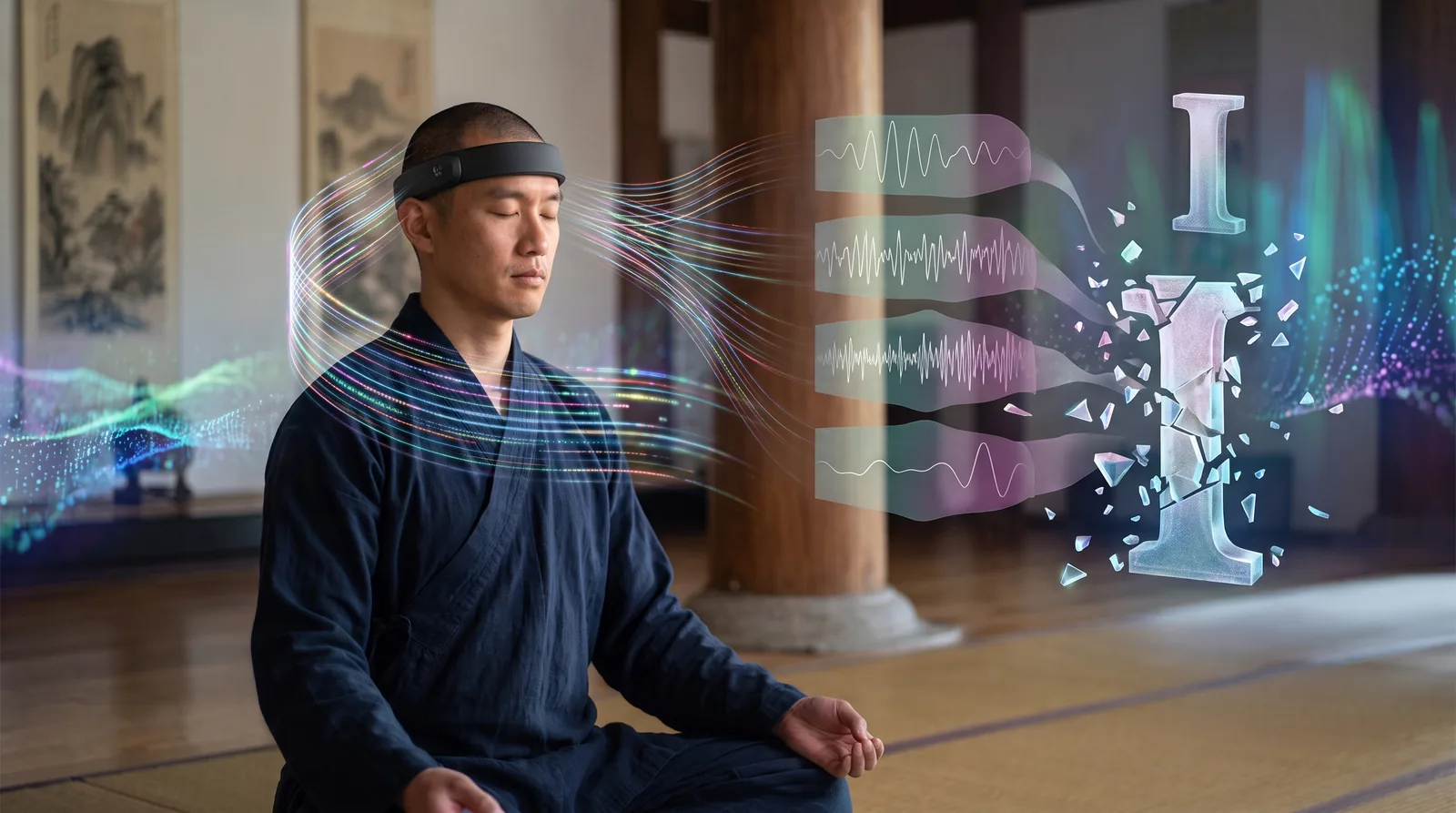
EEG studies reveal how Chan intuitive inquiry deconstructs the self — the ancient doctrine of anattā, made visible in the brain's own rhythms.
Read
Buddhist-inspired wisdom, spiritual insights, and contemplative reflections for everyday life. A quiet companion for the journey inward.

A daily reflection
anattā
Not-self: nothing in experience is a permanent, independent self.
Learn a termPractice
Guided practices, reflections, and teachings to settle the mind and cultivate presence.
EEG studies reveal how Chan intuitive inquiry deconstructs the self — the ancient doctrine of anattā, made visible in the brain's own rhythms.
Read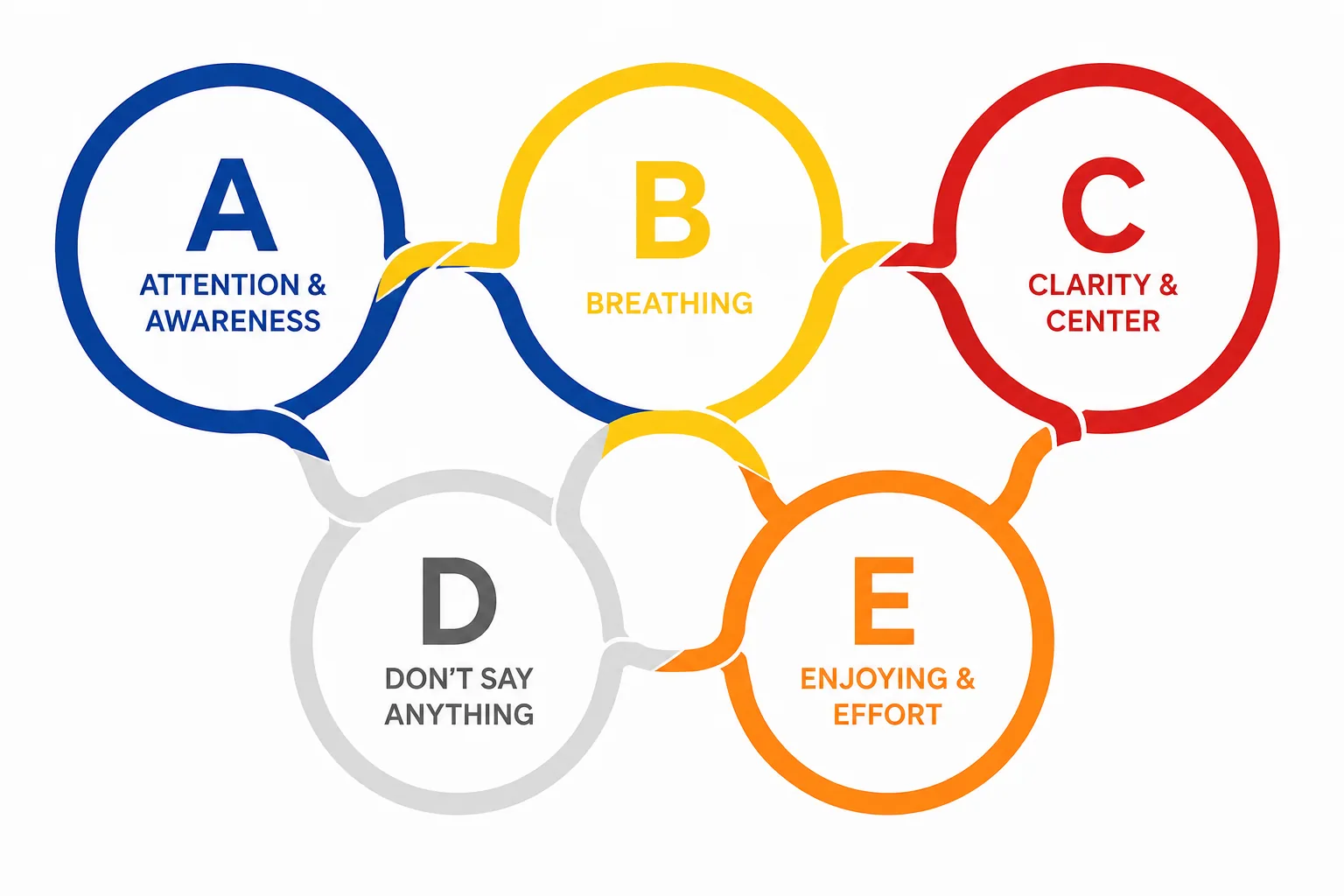
A first evening at Su Bong Zen Monastery with Zen Master Dae Kwan, and the simple ABDCE practice for returning to our center when things go wrong.
Read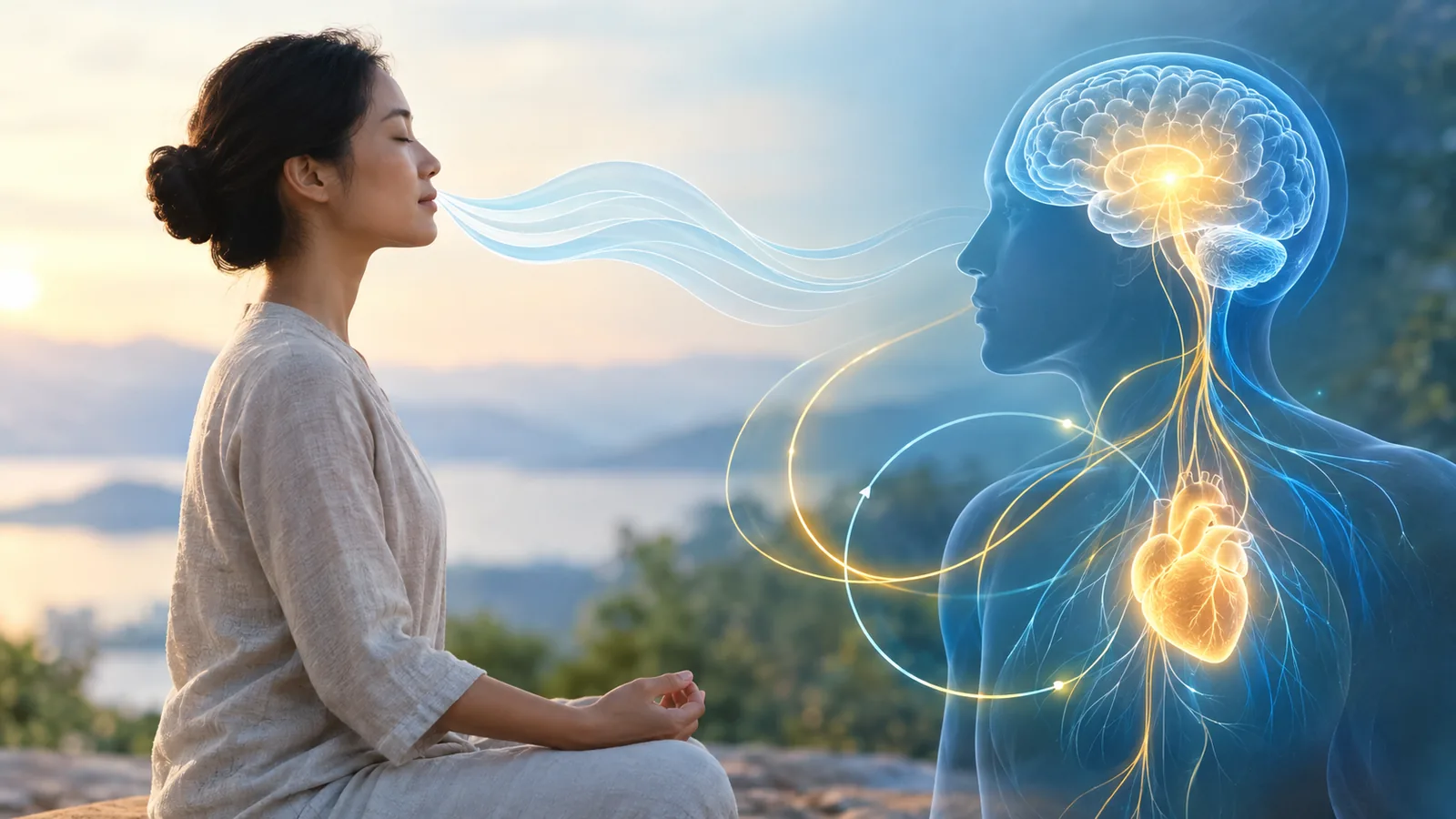
A 2026 HKU study maps the Ānāpānasati Sutta onto interoceptive neuroscience—explaining why watching the breath feels unnatural and how the ISAAA model resolves the tension between attention and the autonomic nervous system.
ReadAudio
Audio reflections and guided meditations for the path.
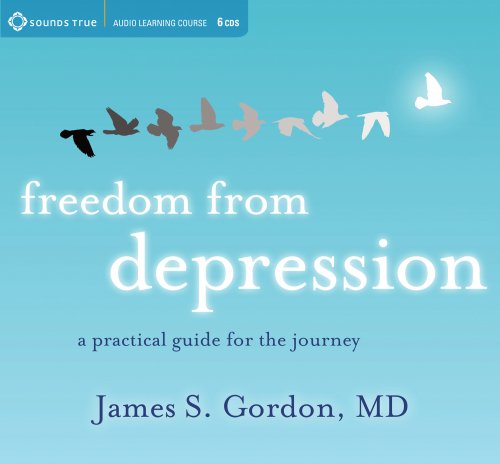
Freedom from Depression by James S. Gordon, MD
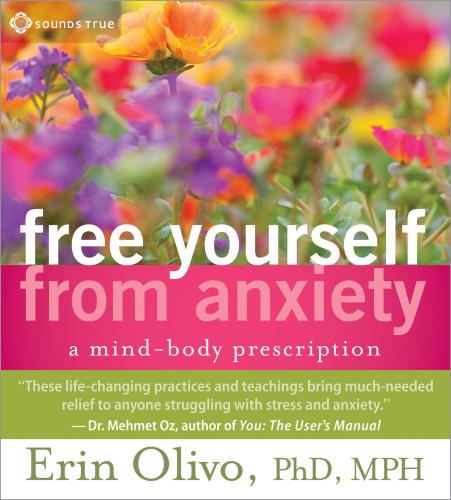
Free Yourself from Anxiety by Erin Olivia, PhD
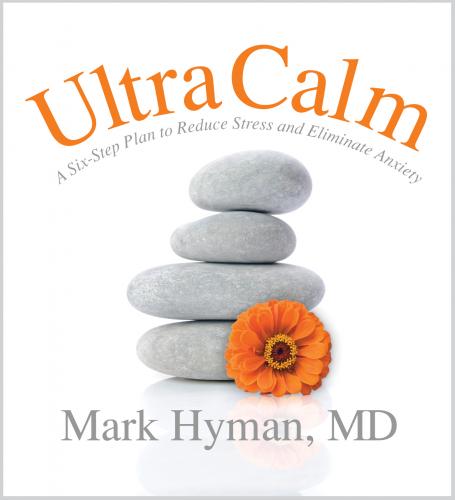
Ultra Calm-Reduce Stress and Eliminate Anxiety
Video
Video teachings and guided sessions with contemporary Buddhist voices.
Ven. Sik Hin Hung explores kṣānti — the patient acceptance of truth — through the three kinds of knowledge and its modern-day application.
Ajahn Brahm teaches how to live a happy and peaceful life.
Jack Kornfield reflects on the most basic truths — impermanence, unsatisfactoriness, and no-self — as gateways to freedom.
Culture
The precepts, ethics, and living traditions of the Dharma.
EEG studies reveal how Chan intuitive inquiry deconstructs the self — the ancient doctrine of anattā, made visible in the brain's own rhythms.
ReadA first evening at Su Bong Zen Monastery with Zen Master Dae Kwan, and the simple ABDCE practice for returning to our center when things go wrong.
ReadA 2026 HKU study maps the Ānāpānasati Sutta onto interoceptive neuroscience—explaining why watching the breath feels unnatural and how the ISAAA model resolves the tension between attention and the autonomic nervous system.
ReadBecome a member to join the community, access member-only teachings, and walk the path together. Already a member? Sign in to continue.