Finding the Ground: A First Step into Su Bong Zen Monastery
A first evening at Su Bong Zen Monastery with Zen Master Dae Kwan, and the simple ABDCE practice for returning to our center when things go wrong.
I attended the first session of a four-week Introduction to Zen Meditation course this evening, taught by Zen Master Dae Kwan at Su Bong Zen Monastery. Although the classes are usually held in Chinese, translation devices are provided, and a volunteer with clear, warm English made everything easy to follow. Her kindness set a gentle tone right from the start.
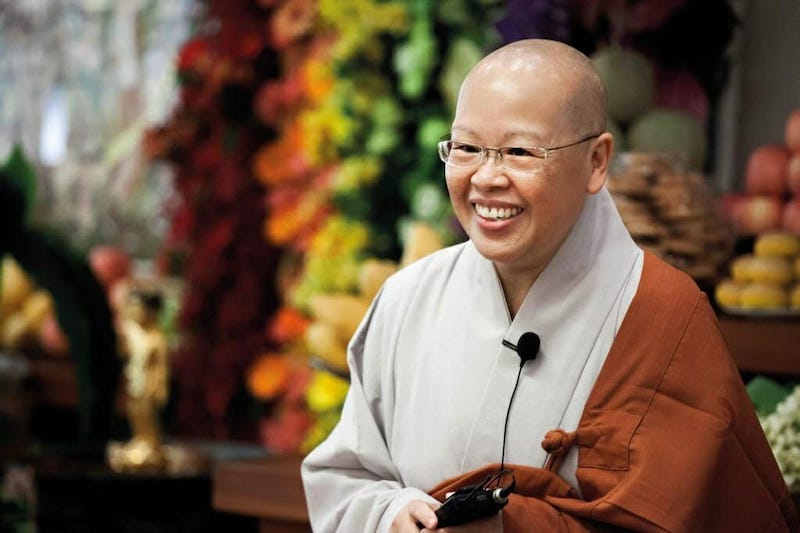
Zen Master Dae Kwan is a Zen nun who first studied Buddhism in Hong Kong in the 1970s, then ordained at Ajahn Chah's forest monastery in Thailand in 1981. She spent ten years practicing in Chiang Mai, including two years of solitary retreat in a cave. In 1991 she met Zen Master Seung Sahn during a winter retreat in Korea, became his student, and later helped establish what is now Su Bong Zen Monastery in Hong Kong. She received inka in 1995 and full Dharma transmission in 2001. Today she serves as abbot and guiding teacher, and has written and translated several books on the practice.
Completing this course makes you a member of the monastery, which opens the door to future events, including the long winter retreat. That alone made the evening feel like the beginning of something larger.
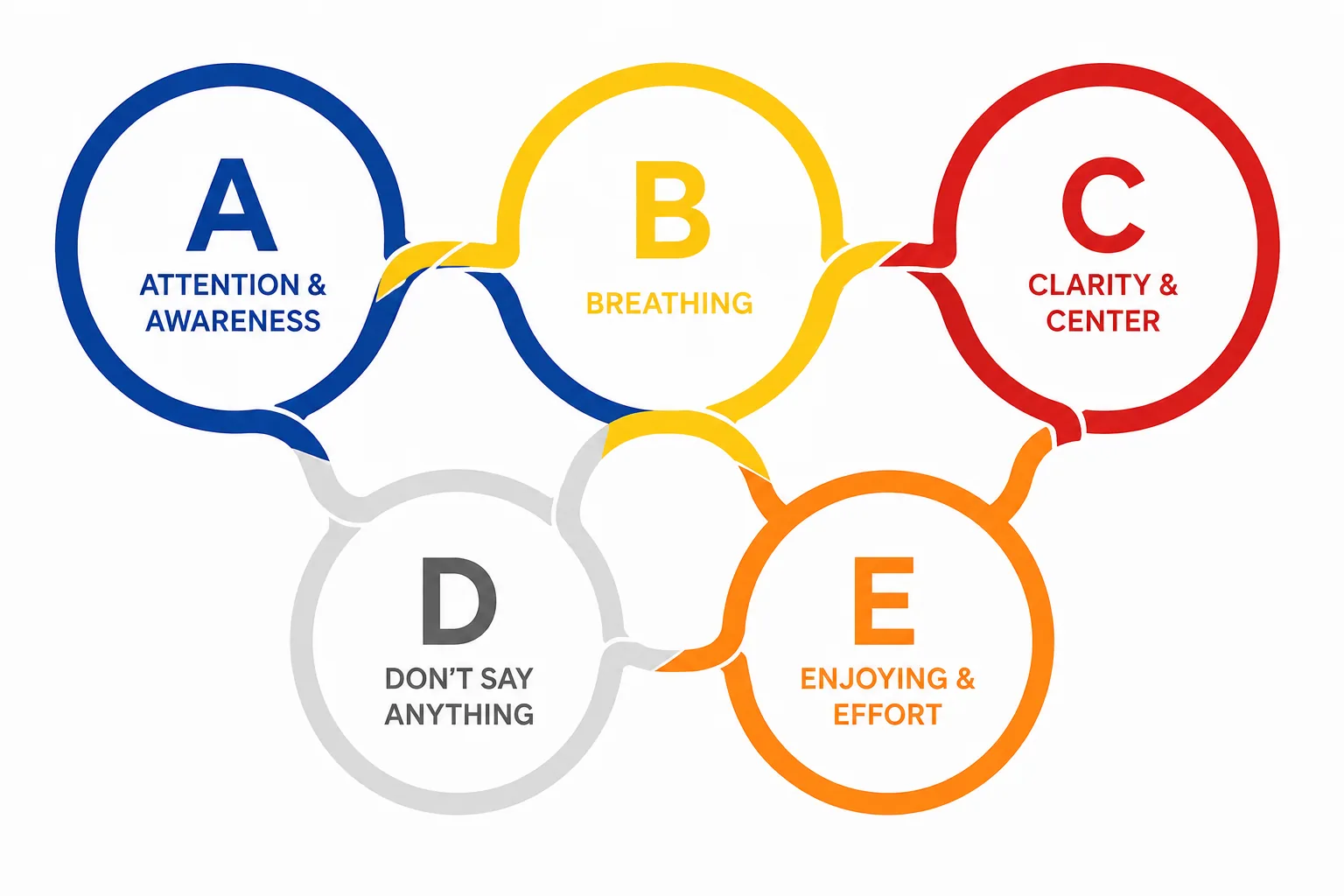
In class, Master Dae spoke plainly about the suffering we meet everywhere in this difficult world. She urged us to wake up to our Buddha nature and to cultivate both wisdom and compassion. Then she offered a simple model she calls ABDCE, a practical way to return to our center when things go wrong.
- A — attention and awareness. We have to notice what is happening if we want to step out of the old loops.
- B — the breath. She called it precious. When everything feels off, we can always return to breathing.
- C — clarity and center. As the mind clears, we find our ground and stay there.
- D — don't say anything. Keep a beginner's mind. Stop telling ourselves the usual stories the moment we feel unbalanced.
- E — enjoyment and effort. Bring curiosity and a quiet joy to the practice itself.
We broke into small groups to talk about which part of the model felt most useful. For me it is the breath. Even in hard moments it restores balance. Awareness helps me stay present, but the real work is refusing the stories the mind wants to spin. I try to stay open, curious, and simply watch.
Coming from a Theravada background, much of what she shared felt familiar, yet the ABDCE model is refreshingly direct and easy to use in daily life. I left hoping the next sessions will take us deeper into the practice.
If you are looking for a clear, grounded introduction to Zen, this course is worth considering.

Article by
Andrew Bakaki
Buddhist Practitioner
Subscribe to the newsletter
Receive new posts and our monthly digest, straight to your inbox.
Unsubscribe anytime.
Comments
No comments yet. Be the first to share a reflection.
Only members can comment.